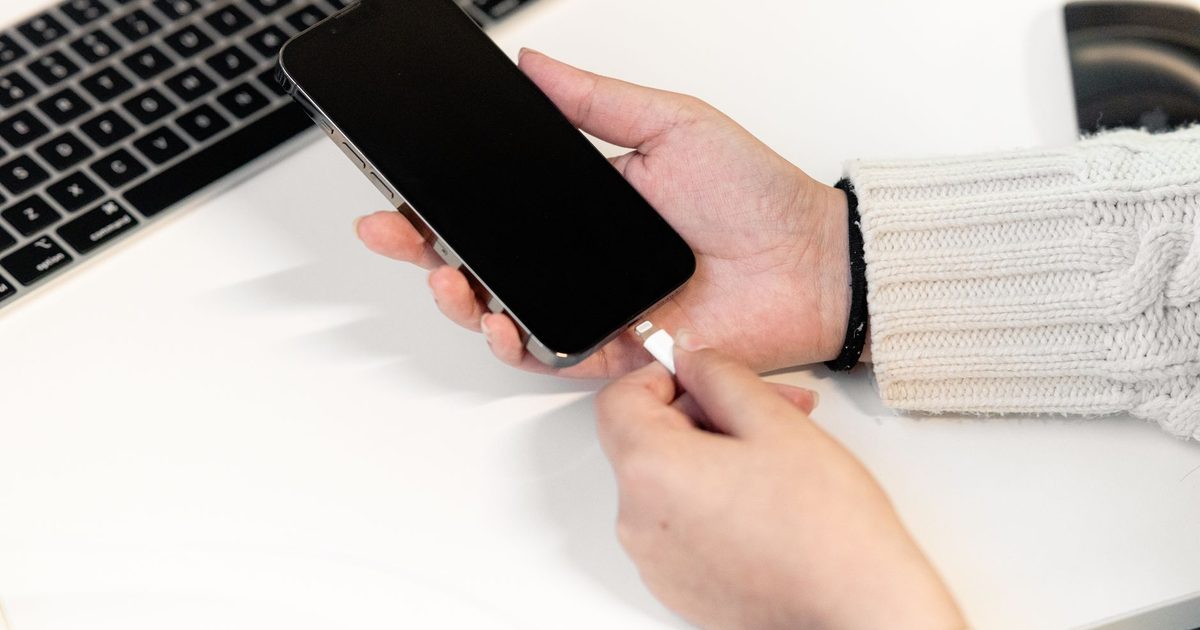
Apple quotes a number for the iPhone 17 that sounds expensive: up to 50% charge in 20 minutes, "with 40W adapter or higher", and that adapter is "available separately". A published charge test calms it down. Macworld ran an iPhone 17 up from flat and watched it draw around 26 watts, reaching 41% in twenty minutes on Apple's own 40W/60W Dynamic Power Adapter and 42% on a 61W one. The phone sets the pace, not the plug. So the useful question isn't which charger is fastest. It's how many things you want charging at once, how small the plug has to be, and whether you mind owning one that sits under the figure printed on Apple's spec sheet. All three picks below charge an iPhone 17 quickly. They differ in what else they can do while they're at it.
Top picks
1. Anker Nano 45W USB C Charger (Foldable) - Best Overall
SPP Score: 6.8 / 10 - 45W foldable single-port plug. Our all-round pick.
Capability 5/10 - Versatility 6/10 - Build 10/10 - Value 8/10
This is the no-asterisk answer. Nothing Apple quotes for the iPhone 17, wired or over MagSafe, sits above 45W, so this is the plug you stop checking spec sheets against. On the measured figures the phone won't ever ask for all of it, and we'd rather say so than pretend the headroom is doing work: what the extra watts buy here is certainty, not speed. Anker's listing calls the Nano compact and foldable, and the folding pins are the part you notice at the bottom of a bag, where fixed prongs catch on everything.
Pros
- ✓ Clears every charging figure Apple quotes for the iPhone 17, wired and magnetic
- ✓ Folding pins on the plug that ends up living in an iPhone bag
- ✓ The highest build score of the three on our rubric, at 10 out of 10
Cons
- ✗ One USB-C port, so everything else in the house waits its turn
- ✗ On the measured figures the phone never draws all 45W, so some of what you buy sits idle
Who it's for: iPhone 17 owners who want one plug, no footnotes, and something that folds flat for a bag. Who it's not for: Households where the phone shares a socket with a tablet and a pair of earbuds every night.
2. UGREEN Nexode 30W USB C Charger (Foldable GaN) - Best Budget
SPP Score: 6.7 / 10 - 30W foldable GaN plug. Our value pick.
Capability 5/10 - Versatility 6/10 - Build 9/10 - Value 8/10
The measured figures make this the interesting pick. If an iPhone 17 draws in the mid-twenties, 30W has it covered with a little to spare, and it does that from the lowest power class here. UGREEN's listing pairs PD 3.0 with a GaN core behind folding pins. There is a real limit, though. 30W sits below the 40-watt adapter Apple quotes its 20-minute claim against, so buy this as a fast charger rather than a record-setting one. On an iPhone Air, which Apple rates from a 20-watt adapter upwards, it clears the bar outright.
Pros
- ✓ 30W covers what an iPhone 17 was measured drawing, with a little spare
- ✓ Lowest power class of the three, and the pins still fold away
- ✓ Clears what Apple asks for on the iPhone Air outright
Cons
- ✗ Sits below the 40-watt adapter Apple's 20-minute figure is quoted against
- ✗ The least headroom of the three, so it's the first one you would outgrow
Who it's for: iPhone Air owners, whose 20-watt bar this clears outright, and anyone adding a bedside or weekend-bag plug. Who it's not for: Readers set on matching Apple's 20-minute figure on its own terms.
3. UGREEN Nexode 65W GaN Charger (3-Port) - Best Premium
SPP Score: 7.2 / 10 - 65W GaN. Our pick for maximum capability.
Capability 7/10 - Versatility 6/10 - Build 9/10 - Value 7/10
Buy this one for everything except the iPhone. UGREEN lists 65W across three ports, two USB-C and one USB-A, and it's the USB-A that quietly earns its place: the kit in the house that never moved to USB-C keeps working without an adapter in the way. PPS is on the listing as well, and it's worth knowing what that is before you pay for it. PPS is an extension of USB Power Delivery that lets a charger fine-tune its voltage in small steps rather than jumping between fixed levels. Apple's charging figures for the iPhone are quoted in plain watts, with no PPS requirement anywhere in them. If this power class is what you're after generally, our 65W GaN charger guide compares that tier properly.
Pros
- ✓ Three ports, so the iPhone stops being the only thing that gets the socket
- ✓ A USB-A port for whatever in the house never moved to USB-C
- ✓ The most output of the three, per UGREEN's 65W rating
Cons
- ✗ Charge the iPhone beside anything demanding and it stops being the port that matters
- ✗ An iPhone charging alone uses one port, and PPS appears nowhere in Apple's charging figures
Who it's for: Homes where the iPhone gets the socket after a tablet, a watch and something still on USB-A. Who it's not for: iPhone-only buyers, who would be paying for two ports that sit empty.
Quick verdict
For most iPhone 17 owners the Anker Nano 45W USB C Charger (Foldable) is the one to buy: it clears every figure Apple quotes for the 17, wired and magnetic, and folds flat for the bag. If the phone is all you are charging and you would rather not pay for headroom you won't use, the UGREEN Nexode 30W USB C Charger (Foldable GaN) is the honest choice, and it clears what Apple asks for on the Air outright. When the iPhone shares its socket with a tablet, earbuds and something still on USB-A, the UGREEN Nexode 65W GaN Charger (3-Port) is the one that covers all of it. Away from the wall completely, a magnetic power bank does the other half of this job.
How we chose
We started with Apple's own spec sheets rather than the marketing. The iPhone 17 and 17 Pro quote 50% in 20 minutes from a 40-watt adapter or higher; the iPhone Air asks for 20 watts and half an hour; MagSafe wants 30 watts or more on either. Then we read Macworld's charge test, which found the phone drawing far less than the adapter was rated to give. That reframes the whole category: past the mid-to-high twenties Macworld measured, you're buying ports, size and build, not speed. So we weighed how flat each plug folds, how many devices it can serve at once, and whether its extra features do anything for an iPhone in particular. We take no payment for placement. Do check each listing for what's in the box, since Apple's figures assume a USB-C cable and we don't verify what ships with any plug.
FAQ
Q: Does the iPhone 17 need Apple's 40-watt charger? A: No. Apple quotes its 50%-in-20-minutes figure against a 40-watt adapter or higher, but Macworld's testing found an iPhone 17 drawing around 26 watts either way: 41% in twenty minutes on Apple's own Dynamic Power Adapter, and 42% on a 61-watt one. Every pick here clears what the phone was measured drawing.
Q: What charger does the iPhone Air need? A: Apple rates the Air from a 20-watt adapter upwards for 50% in half an hour, a gentler bar than the iPhone 17's. All three picks clear it, so choose on size and ports instead of wattage.
Q: What wattage do I need for MagSafe on an iPhone 17? A: Apple quotes 50% in 30 minutes from a 30-watt adapter or higher paired with its MagSafe Charger, and rates MagSafe and Qi2 wireless at up to 25 watts on the iPhone 17 and up to 20 watts on the Air. All three picks meet or clear that 30-watt bar, so the puck and the phone set the ceiling rather than the plug.
Q: Will a more powerful charger damage my iPhone? A: No. USB-C Power Delivery is a negotiation, so the phone asks for what it wants and the charger holds the rest in reserve. The cable is the part worth checking, since it can only pass what it is rated to carry, and our USB-C cable guide covers that end.
Q: Can I keep using my old iPhone plug? A: Yes, and it will still charge the phone; the lower its wattage, the longer that takes. What it won't do is reach the 20-minute figure on Apple's spec sheet, which is quoted against a 40-watt adapter or higher. One of the very small plugs from an older iPhone is the one genuinely worth replacing.
Affiliate disclosure: This page contains affiliate links. As an Amazon Associate we earn from qualifying purchases, at no extra cost to you. See our disclosure page for details.